Mountain Safety
For Ski Patrol or Dispatch, call 801.223.4150.
Winter Safety Guidelines
Stay safe and responsible on the mountain! Read the skier responsibility code and various policies or learn about Sundance Mountain Resort’s rescue dog program.
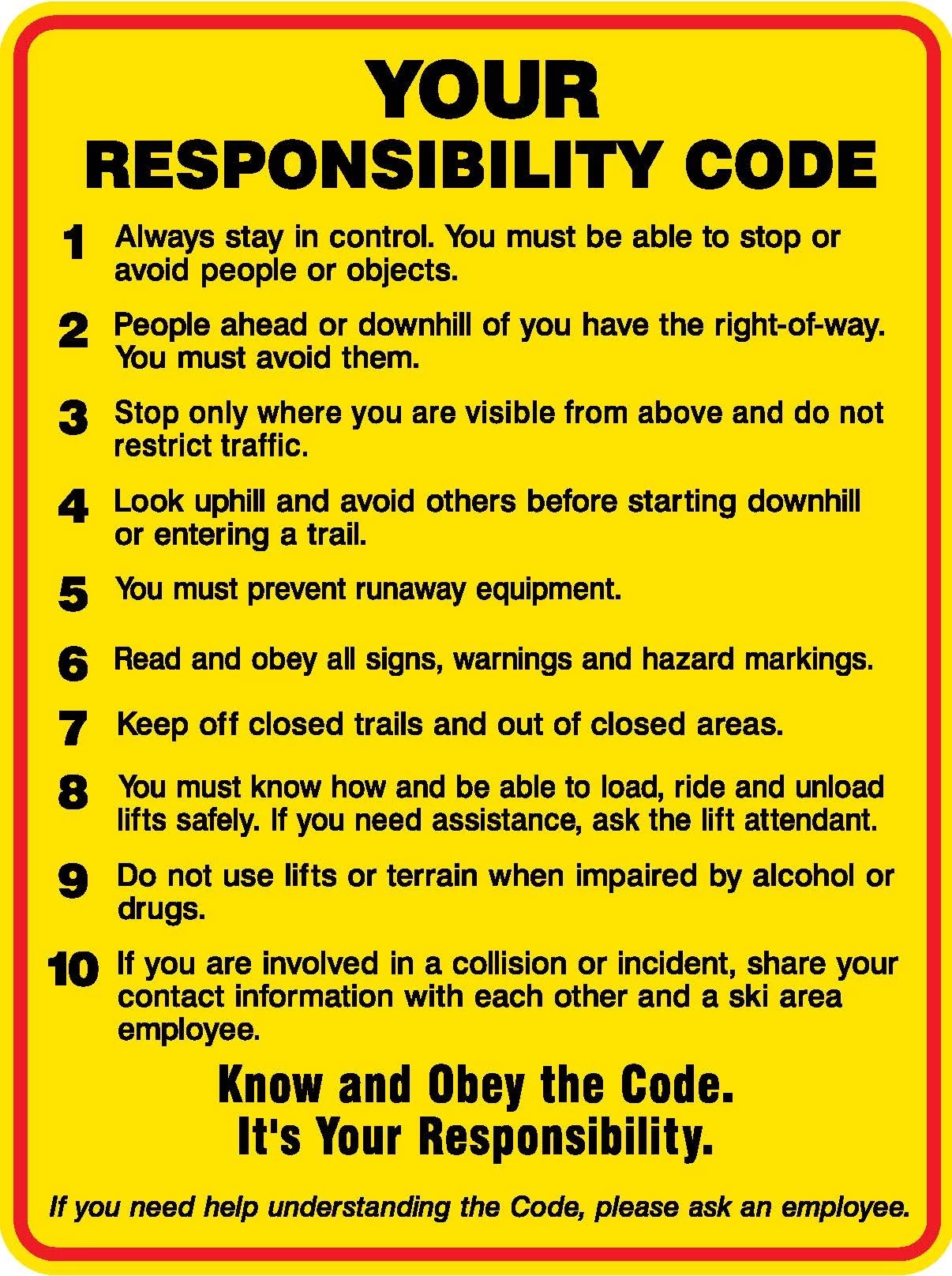
Know the Code. It’s Your Responsibility.
Skiing can be enjoyed in many ways. At ski areas you may see people using alpine, snowboard, telemark, cross country and other specialized ski equipment, such as that used by disabled or other skiers. Skier responsibility should be practiced by all skiers.
Regardless of how you decide to enjoy the slopes, always show courtesy to others and be aware that there are elements of risk in skiing that common sense and personal awareness can help reduce. Observe the code listed below and share with other skiers the responsibility for a great skiing experience.
Skier Duty in Event of Collision
Every skier involved in a collision with another skier must stop and render any reasonably necessary assistance. Any skier involved in a collision must, upon request, present identification or supply his name and address to resort personnel, ski patrollers, or the injured skier.
This is a partial list. See the full list at the links below. Be safety conscious.
Officially endorsed by: NATIONAL SKI AREAS ASSOCIATION.
Sundance Resort does not currently allow uphill (skinning) traffic.
Remember your own safety and your surroundings to ensure we can all ride another day.
Inherent Risks of Skiing
Utah Law provides that as a “skier” you assume the risk and accept the responsibility for injuries resulting from the inherent risks of skiing, which include, but are not limited to:
- Changing weather conditions
- Snow or ice conditions
- Surface or subsurface conditions such as bare spots, forest growth, rocks, stumps, stream beds, cliffs, trees, and other natural objects
- Variations or steepness in terrain, whether natural or as a result of slope design
- Impact with lift towers and other structures and their components
- Collisions with other skiers, users or persons
- A skier’s failure to ski within the skier’s own ability
Unmarked Obstacles
Skiing at Sundance Resort takes place in a mountain environment. Sundance Resort aggressively maintains the natural experience of skiing in the mountains. Be advised that all poles and/or flags, fencing, signage and padding on equipment or objects or other forms of marking devices are used by the ski area to inform you of the presence or location of a potential obstacle or hazard. Sundance Resort does not mark all conditions or hazards that could present risk of serious injury or death. These markers are no guarantee of your safety and will not protect you from injury. It is part of your responsibility under Your Responsibility Code to avoid all obstacles or hazards, including those that are so marked.
Trail Difficulty Designations
The various difficulty ratings (green circle, blue square, single or double black diamond, or orange oval) are relative to the Sundance Resort area and cannot be compared to other ski areas. Start with the easiest trails and work your way up no matter what your ability level. During periods of low visibility or other inclement weather and snow conditions, the degree of difficulty of the ski runs may change.
Chair Jumping
Jumping from chairlifts creates an unsafe condition for all riders on that lift and below. Therefore, jumping from chairlifts is STRICTLY PROHIBITED. Violators will lose their pass and recreational opportunities for 6 months.
Jumps & Inverted moves
Sundance Resort does not permit patrons to build jumps or kickers out on the slopes. Terrain features, both natural and man-made, are not designed for inverted aerial moves. Inverted moves are not recommended. Perform them at your own risk.
Speed & Collision Safety
Certain areas are designated as SLOW ZONES. Please observe the posted slow areas by maintaining a speed no faster than the general flow of traffic. Space and speed are especially important in these areas. Fast and aggressive skiing will not be tolerated and may result in termination of skiing/riding privileges.
Snowcats, Snowmobiles, & Snowmaking
CAUTION – snow cats, snowmobiles, and snowmaking activities and equipment may be encountered at any time.
Ski Area Boundary
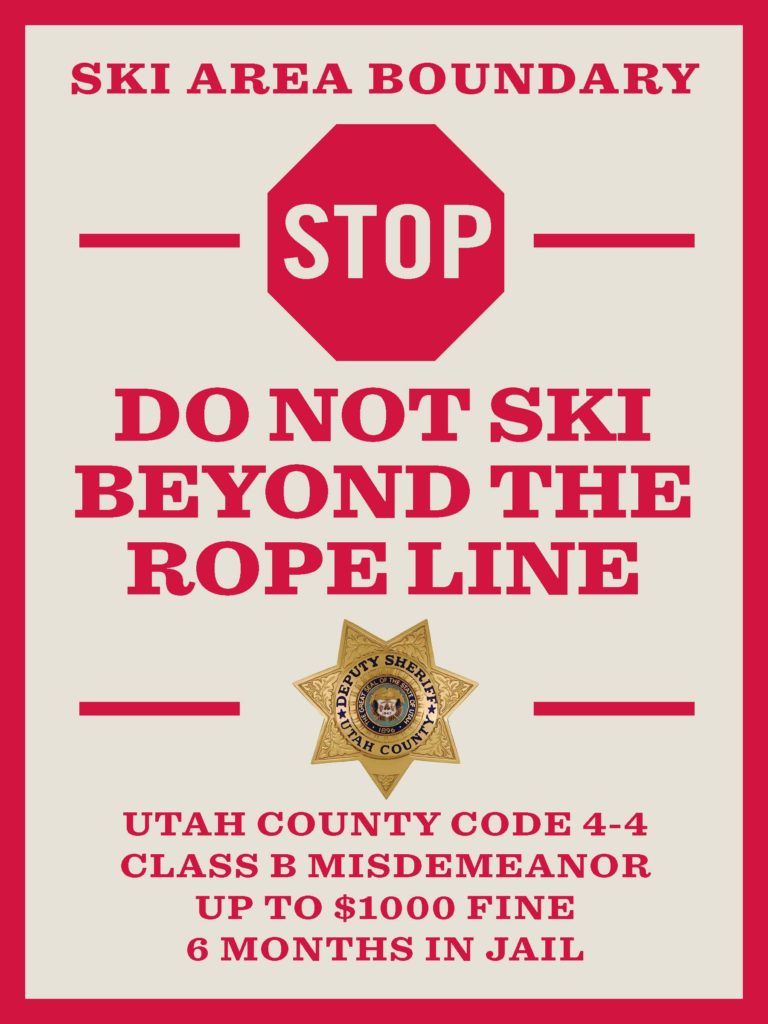
Sundance Resort has CLOSED boundary lines. There is NO public exit to surrounding areas whether public or private land through our rope lines or sign lines.
Skiers going beyond rope lines or through CLOSED signs will lose any and all skiing privileges and will be prosecuted under Utah County Code 4-4, a class B misdemeanor, punishable by a fine up to $1000 and/or 6 months in jail.
Click the button below to see an example of a boundary marker.
Lift Loading & Unloading Instructions
Under the law, you cannot board a lift unless you have sufficient physical dexterity, ability and knowledge to safely negotiate and/or safely use such lift, or until you have asked for and received information sufficient to enable you to safely use the lift. You may not use a lift or any ski trail when under the influence of drugs or alcohol.
Kids On Lifts
Parents and guardians are expected to know how to ride a chairlift (Skier Responsibility Code) and to educate their children about loading, riding, and unloading chairlifts.
- Sundance Resort Kids on Lifts Safety Tips (PDF Download)
Helmet Usage
Helmets may mitigate or reduce the severity of some head injuries, but their use does not guarantee safety and will not prevent all injuries.
Back Pack Policy & Safety
Sundance Resort requires all guests to remove their backpacks before loading chairlifts. Backpack straps can become entangled and interfere with the unloading process. Our lift operators may remind guests to remove backpacks and are willing to slow or stop the lift in order for guests to do so. Guests may carry packs on their laps on the lifts.
Uphill Travel Policy
Sundance Resort does not allow uphill hiking/skiing.
Aerial Drone Policy
Aerial Drone use by any guest or member of the public is not permitted on or over Sundance Resort property.
High-Altitude Environment
Some visitors may experience symptoms associated with Sundance Resort’s high altitude. Symptoms may include headaches, nausea, loss of appetite, restless sleep, coughing, and difficulty in breathing. If symptoms persist or if you have a concern about your health, you should seek medical attention.
Sun Safe on the Slopes
To ensure you have a safe and fun day on the slopes, remember these tips to protect you from the sun and its radiation.
- Put on a hat or helmet that covers your ears
- Wear 100% UV protection goggles or sunglasses
- Apply generous amounts of SPF 30+ sunscreen on exposed skin every two hours
- It’s not the heat of the sun that causes skin damage but radiation from the sun
Skiing and snowboarding off the groomed runs and in deep powder is one of the most exciting and appealing parts of our sport. However, if you decide to leave the groomed trails you are voluntarily accepting the risk of a deep snow immersion accident. A deep snow, or tree well immersion accident occurs when a skier or rider falls into an area of deep unconsolidated snow and becomes immobilized and suffocates.
Become educated on how to reduce the risk of Snow Immersion Suffocation hazards through your own action and awareness. ALWAYS ski or ride with a partner within viewing distance. The website deepsnowsafety.org is an excellent resource designed to assist all skiers and riders in educating themselves about the risks and prevention of deep snow and tree well immersion accidents.
Smart Style Freestyle Terrain
The National Ski Areas Association and Burton Snowboards have developed the Smart Style Freestyle Terrain Safety initiative, a cooperative effort to continue the proper use and progression of freestyle terrain at mountain resorts, while also delivering a unified message that is clear, concise, and effective. Freestyle Terrain may contain jumps, hits, ramps, banks, fun boxes, jibs, rails, half pipes, quarter pipes, snowcross, bump terrain, and other constructed or natural terrain features.
PRIOR to using Freestyle Terrain, you are responsible for familiarizing yourself with Freestyle Terrain and obeying all instructions, warnings and signs. Freestyle skills require maintaining control on the ground, and in the air.
Freestyle terrain may include half pipes, as well as terrain parks and terrain features. They are provided for your enjoyment and offer adventure, challenge, and fun. However, freestyle terrain use, like all skiing and riding, exposes you to the risk of serious injury. Prior to using freestyle terrain, it is your responsibility to familiarize yourself with all instructions and warnings and to follow the Skier Responsibility Code:
- Freestyle Terrain contains man-made and natural terrain variations.
- Freestyle Terrain changes constantly due to weather and use.
- Inspect Freestyle Terrain before using and throughout the day.
- In jumping and using this terrain, you assume the risk of serious injury.
- Be courteous and respect others.
- One user on a Terrain feature at a time.
- Never jump blindly – use a spotter when necessary. Look Before You Leap!
- It is your responsibility to control your body on the ground and in the air.
- Always clear the landing area quickly.
- Always ride or ski in control and within your ability.
The Four Main Points of Smart Style
Make A Plan
- Every time you use Freestyle Terrain, make a plan for each feature you want to use
- Your speed, approach, and takeoff will directly affect your maneuver and landing
Look Before You Leap
- Before getting into freestyle terrain observe all signage and warnings
- Scope around the jumps first not over them
- Use your first run as a warm-up run and to familiarize yourself with the terrain
- Be aware that the features change constantly due to weather, usage, grooming, and time of day
- Do not jump blindly and use a spotter when necessary
Easy Style It
- Know your limits and ski/ride within your ability level
- Look for small progression parks or features to begin with and work your way up
- Freestyle skills require maintaining control on the ground and in the air
- Do not attempt any features unless you have sufficient ability and experience to do so safely
- Inverted aerials increase your risk of injury and are not recommended
Respect Gets Respect
- Respect the terrain and others
- One person on a feature at a time
- Wait your turn and call your start
- Always clear the landing area quickly
- Respect all signs and stay off closed terrain and features
Warning: Risk of Avalanche
While snow safety and avalanche mitigation efforts help reduce the risk of avalanches, avalanches and snow slides may occur at ski areas, both inside and outside of the posted boundaries. Avalanches are an inherent risk of the sport due to the nature of snow and its accumulation on steep, mountainous terrain. Become educated on how to reduce the risk of injury or death from avalanches through your own actions and awareness. Visit Avalanche.org or contact Sundance Resort Ski Patrol for further information on the risks and prevention of avalanche-related injuries or death.
Reporting an Avalanche
If you trigger an avalanche or witness an avalanche inside the ski area boundary please report it to Sundance Resort Ski Patrol (801) 223-4150. You may also report it by skiing to the nearest chairlift loading terminal. Know Before You Go Avalanche Program.
First aid facilities are available in the Creekside Building, top of Outlaw Express, and top of Red’s Lift as indicated on the map. If you come across an accident, cross a pair of skis or place a snowboard in the snow uphill of the scene to warn other skiers and to help Ski Patrol locate the accident. Do not move the injured person unless absolutely necessary. Notify a Patroller, have someone call for Patrol, or contact a lift attendant at the base of any lift and have them contact Ski Patrol.
For Ski Patrol/Dispatch call 801-223-4150
Chairlift User Responsibility as Defined by ANSI B77:
D.2.1 Passenger Notice THE AMERICAN NATIONAL STANDARD FOR PASSENGER ROPEWAYS recognizes that certain dangers and risks are inherent in machines of this type, and their operation. It is also recognized that inherent and other risks or dangers exist for those who are in the process of loading, riding or unloading from lifts, tows or conveyors. Passengers accept the risks inherent in such participation of which the ordinary prudent person is or should be aware. Passengers shall use good judgment and act in a responsible manner while using the ropeway, tow or conveyor, including:
- Participating in the loading, riding, and unloading processes in such a manner as to reduce risks for themselves and others.
- Obeying all written and oral instructions and warnings.
- Refraining from using the lift, tow or conveyor while under the influence of drugs or alcohol.
- Properly use the lift, tow or conveyor and equipment provided.
All passengers who use a lift, tow or conveyor shall be responsible for their own loading, riding, and unloading. They shall be presumed to have sufficient ability, physical dexterity, and/or personal assistance to negotiate and to be evacuated safely. Passengers shall maintain control of their speed and course while loading and unloading. A passenger shall get on and get off at designated areas. No passenger shall load the lift without first understanding and observing the proper loading, riding, and unloading procedures. Passengers, while riding a ropeway, tow or conveyor, shall not throw or expel there from any object, nor shall any passenger do any act or thing that shall interfere with the operation. Passengers shall not willfully engage in any type of conduct that may contribute to or cause injury to any other person. Please read and observe all signs. Ask for instructions if needed.
Chair Jumping
Jumping from chairlifts creates an unsafe condition for all riders on that lift and below. Therefore, jumping from chairlifts is STRICTLY PROHIBITED. Violators will lose their pass and recreational opportunities for 6 months.
Weather
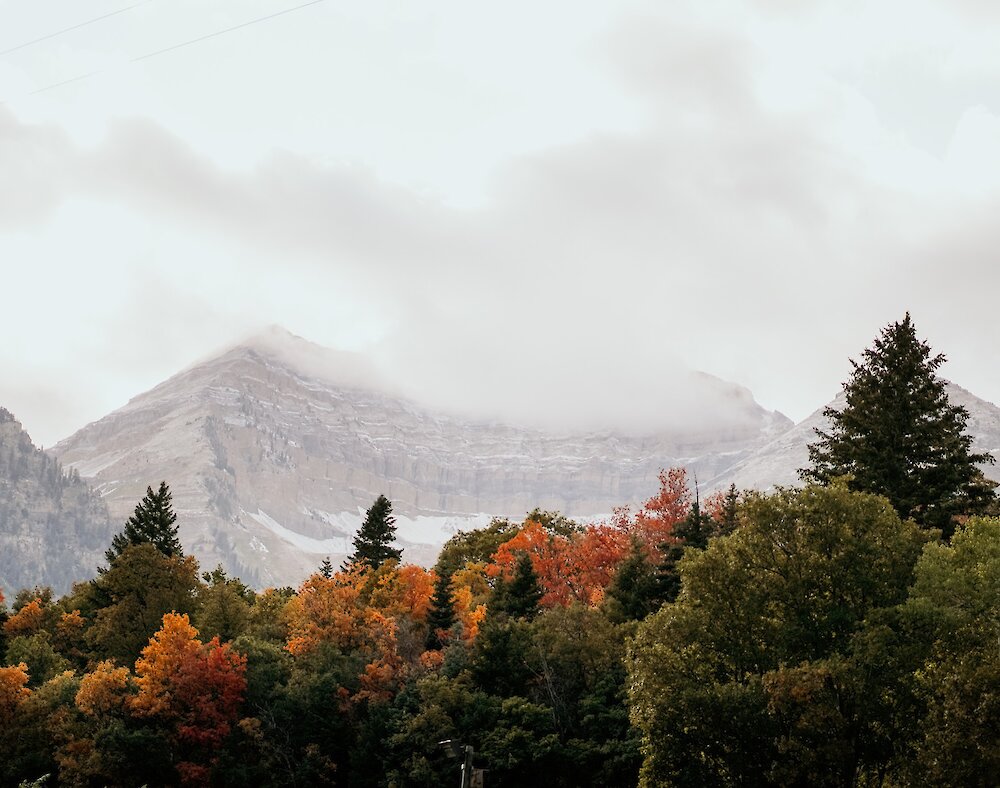
Be aware that weather may change suddenly. Be prepared for adverse weather conditions with appropriate gear and essentials. Be aware that lifts may close suddenly for period of time due to inclement weather conditions.
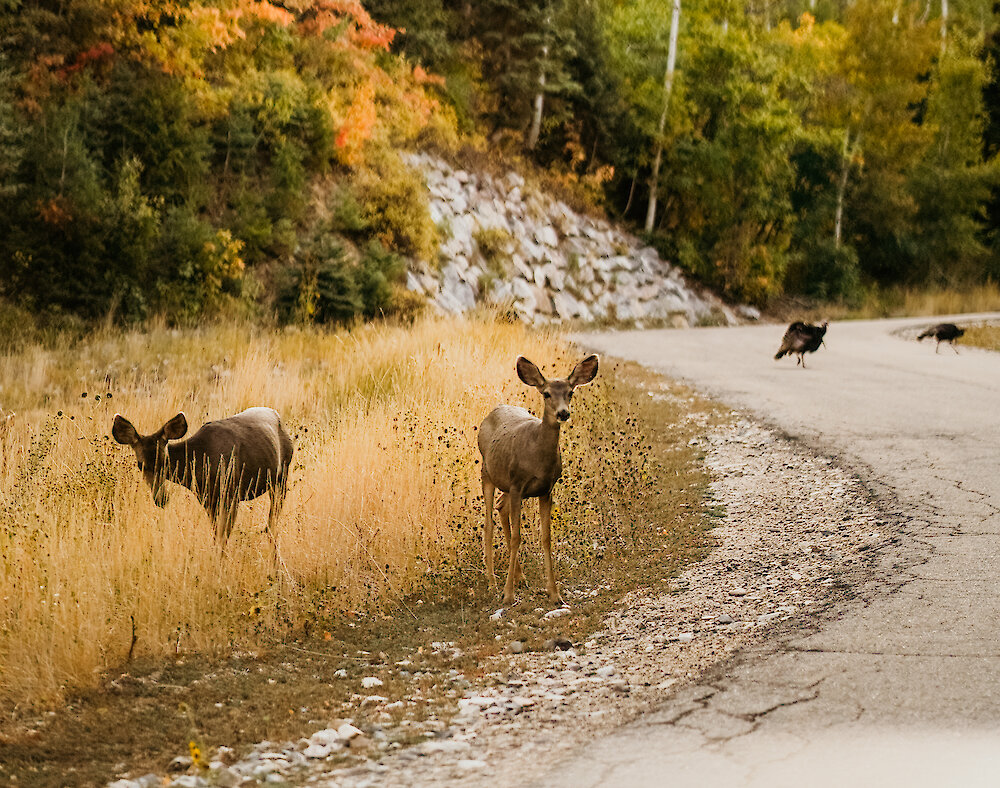
Wildlife
Be aware that you may encounter wildlife. Please be respectful of animals, and do not approach, feed or harass wildlife. Be vigilant to avoid a negative encounter.
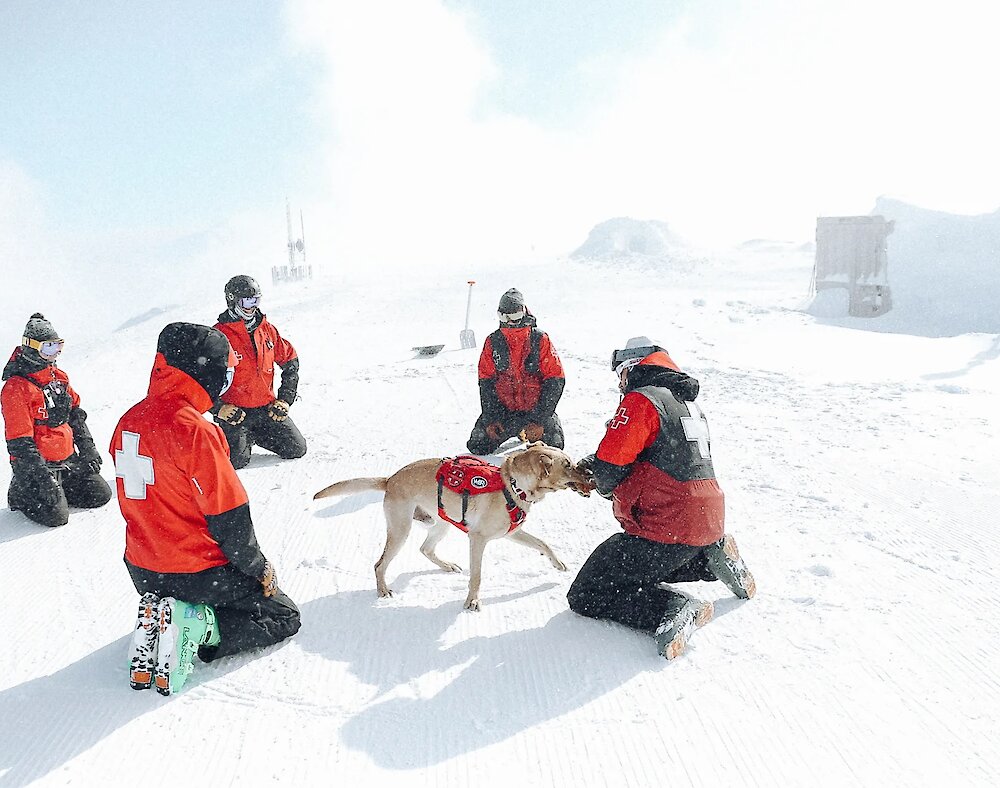
Rescue Dog Teams
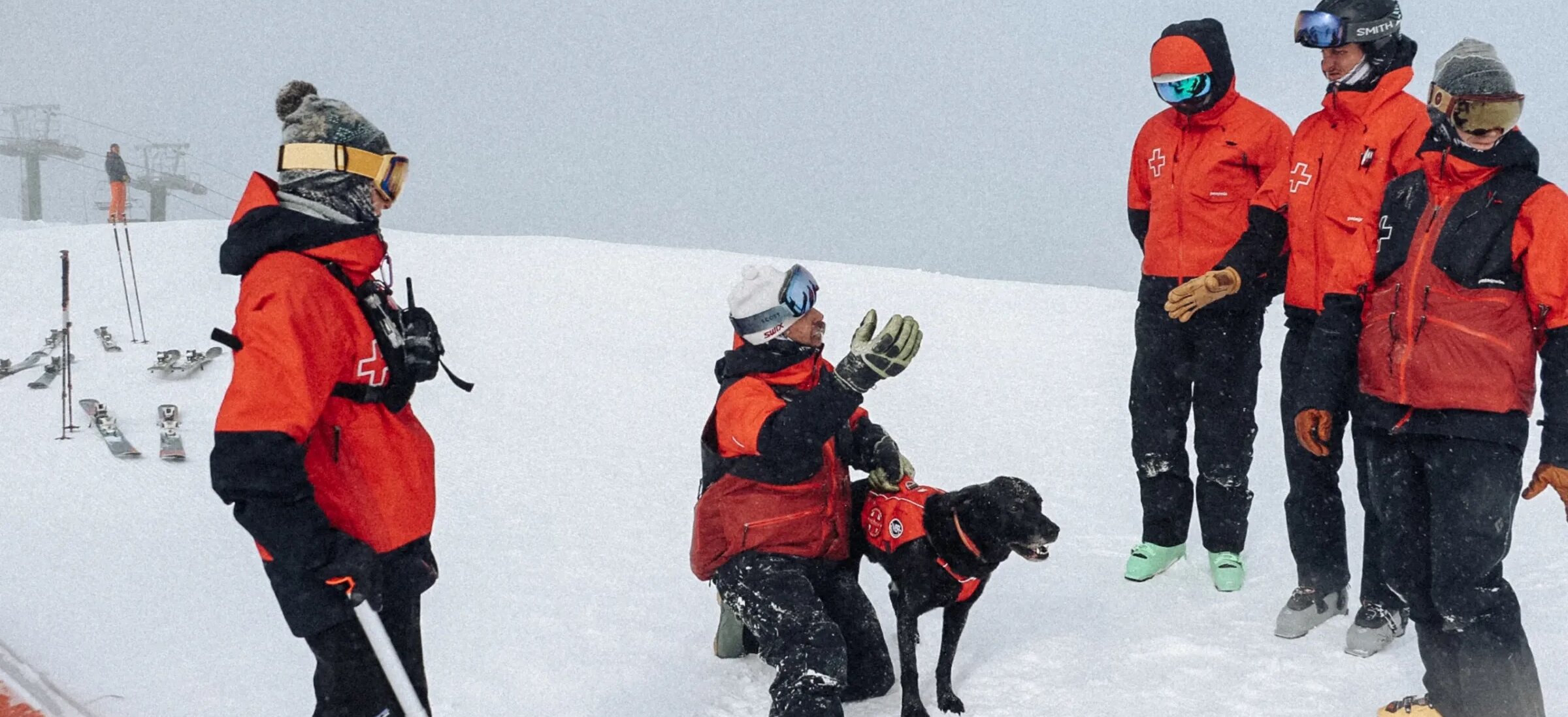
The Sundance Mountain Resort rescue dog teams are a critical component of the Sundance Resort Ski Patrol Snow Safety Program.
Keeping avalanche terrain on the Sundance Mountain Resort ski area safe for skiers and snowboarders is one of the Sundance Resort ski patrol’s most important jobs. Utah’s Wasatch Mountains are known for their abundance of light powder snow and easy access to the steeps. Within the ski area, ski patrollers monitor slope conditions, hazards and weather. The ski patrol needs to be consistently aware of their surroundings and make safe decisions for themselves and others. Assisting the patrol in this work is a crew of well-trained avalanche dogs, a vital part of the patrols quiver of snow safety equipment.
The Sundance Resort trained avalanche dogs use their keen sense of smell to locate avalanche victims buried under the snow. A person’s best chance of survival in an avalanche is a speedy rescue from within the victim’s group. Hopefully each member of the party is wearing an avalanche transceiver and has the knowledge to act quickly. The Sundance Resort Rescue dogs help find and save victims in need.

Drone Policy
No private drone use is allowed at Sundance Mountain Resort.
Pet Policy
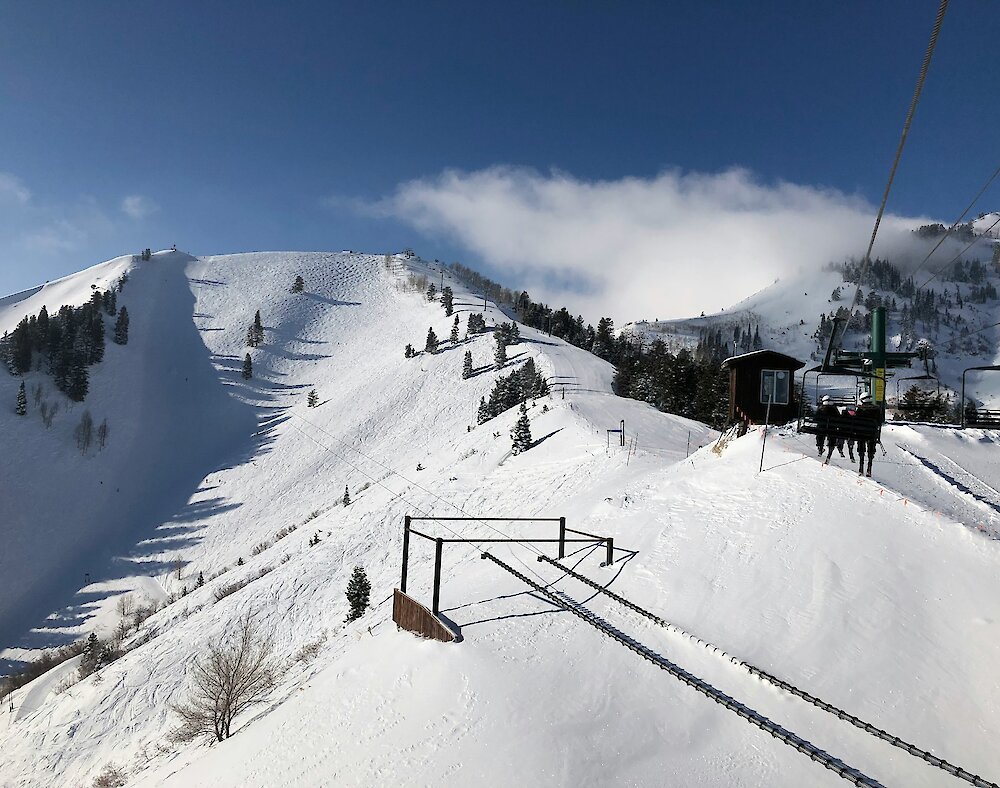
No animals, including service animals, are allowed on any of the chair lifts due to safety issues.

E-bike Policy
We allow pedal-assist bikes, but we do not allow throttle activated e-bikes. Bikes over 50 pounds not permitted on the lift but may be ridden on trails from the base.
Summer Mountain Safety Codes
Mountain biking involves the risk of injury. Common sense and caution can reduce the risk, for your safety and the safety of others, please adhere to the code.
- STAY IN CONTROL. You’re responsible for avoiding objects and people.
- KNOW YOUR LIMITS. Ride within your ability. Start small and work your way up.
- PROTECT YOURSELF. Use an appropriate bike, helmet, and protective equipment.
- INSPECT AND MAINTAIN YOUR EQUIPMENT. Know your components and their operation prior to riding.
- BE LIFT SMART. Know how to load, ride, and unload lifts safely. Ask for help if you need.
- INSPECT THE TRAILS AND FEATURES. Conditions change constantly; plan and adjust your ride accordingly.
- OBEY SIGNS AND WARNINGS. Stay on marked trails only. Keep off closed trails and features. Ride in the direction indicated.
- BE VISIBLE. Do not stop where you obstruct a trail, feature, landing, or are not visible.
- LOOK AND YIELD TO OTHERS. Look both ways and yield when entering or crossing a road or trail. When overtaking, use caution and yield to those ahead.
- COOPERATE. If involved in or witness to an accident, identify yourself to staff.
Know and follow the code. It is your responsibility.
Mountain bike trails are rough and demanding on both the bike and body. Before riding always inspect your equipment or have it checked by a qualified bike mechanic
- Ensure your helmet is in good shape and properly adjusted
- Inspect bike frame, fork and other components for cracked, damaged or dented areas
- Check that your brakepads are in good condition and are not worn
- Front and rear axles (skewers) should be tight
- Headset and stem must be secure with no looseness or play
- Check that your tires are in good condition with no tears or cuts in the sidewall
- Handlebar and handle grips must be tight and unable to spin
- Seat and seat post must be fastened securely
Lift Loading Instructions
- This lift will not slow or stop without request to lift operator.
- Move quickly from “wait here” to“ load here.”
- Outside passenger look over outside shoulder and grasp side bar as chair approaches. Inside passenger(s) look over either shoulder and grasp back of chair.
- Sit down gently. Lower restraining bar.
- Do not bounce or swing chair. Please balance chair.
- No animals allowed on lift. Please observe lift loading instructions.
Lift Unloading Instructions
- This lift will not slow or stop without request to lift operator.
- When the lift is approaching the offloading lift station, prepare to unload.
- Ask the lift operator just prior to approaching the offloading station for a “slow” or “stop” of the lift if you would like more time to unload.
- At the unloading point look for the painted or marked designated exit route.
- Get off of the lift at the “Unload Here” sign and follow the designated exit route quickly out of the way of the moving lift.
- Do not offload at stations indicating “No Unloading”.
- Use of the trail system involves the risk of injury. You control the degree of risk you will encounter in using the trails and features in the trail system.
- Do not attempt any of the trails or features unless you have sufficient ability and skill to do so safely. Always ride in control and within your ability level.
- All riders must have a valid wrist band, and have turned in a current Summer Liability Waiver before using the trail system.
- Helmets are mandatory while on the trail system and protective padding is strongly recommended.
- 24″ minimum wheels are recommended.
- The trail system is not recommended for inexperienced riders.
- All trails (except for the expert trail) are open to uphill and downhill riding. Uphill riders have the right of way.
- Beware of changing conditions on the trails and features. It is your responsibility to inspect features before use and throughout the day.
- Individual features and trails are closed for a reason. Do not enter trails or features when closed.
- Before riding always inspect your equipment or have it checked by a qualified bike mechanic.
- Stay off closed access roads. Stop at all road crossings.
YOU ASSUME THE RISK OF ANY INJURY THAT MAY OCCUR WHEN USING THE TRAIL SYSTEM. THE MOUNTAIN’S LIABILITY FOR ANY INJURY OR LOSS IS EXCLUDED BY THE TERMS AND CONDITIONS ON YOUR SUMMER LIABILITY WAIVER OR SEASON PASS RELEASE OF LIABILITY.